

Could the resident experience be the real asset?
What would it look like if we designed the entire system around the people who live in it? Our recent roundtable with some of the key voices in the industry found us discussing the heart of our profession: the residents.

At our recent breakfast roundtable on Residential Asset Management, the conversation quickly moved past operational challenges and compliance checklists. Instead, it landed on something more fundamental: the shift in mindset required across the sector. We’ve spent years thinking in B2B terms – from developers to managing agents, investors to consultants. But perhaps that model is starting to shift. If residents are the ones living with the outcomes of every decision, shouldn’t they be at the centre of the conversation?

It’s not about adding more touchpoints or launching new apps. Most residents aren’t asking for constant communication, and, if anything, constant communication seems to blur the important messages. What they want is responsiveness when it matters, access to the right support, and trust that the promises made at point of sale still hold true two years on. Residents often don’t know who their managing agent is, and frankly, they might not care. From their perspective, a managing agent, developer, landlord or housing association are all part of the same brand experience. If something goes wrong, the blame is shared. If something goes right, the credit often disappears. So how do we build a system with a collective responsibility, not just for their part of the management contract, but for the resident’s day-to-day reality?

Trust is difficult to build but easy to lose without good communication.
Even when initiatives are put in place to improve transparency or foster community, there’s often an underlying sense of scepticism. Why? Because communication isn’t consistent, because documents are written in legalese instead of plain English, and because people are tired of hearing that things are being "looked into." A few solutions seem to be that we could be more straight forward in our messaging and explanations, and even more visible when it counts.
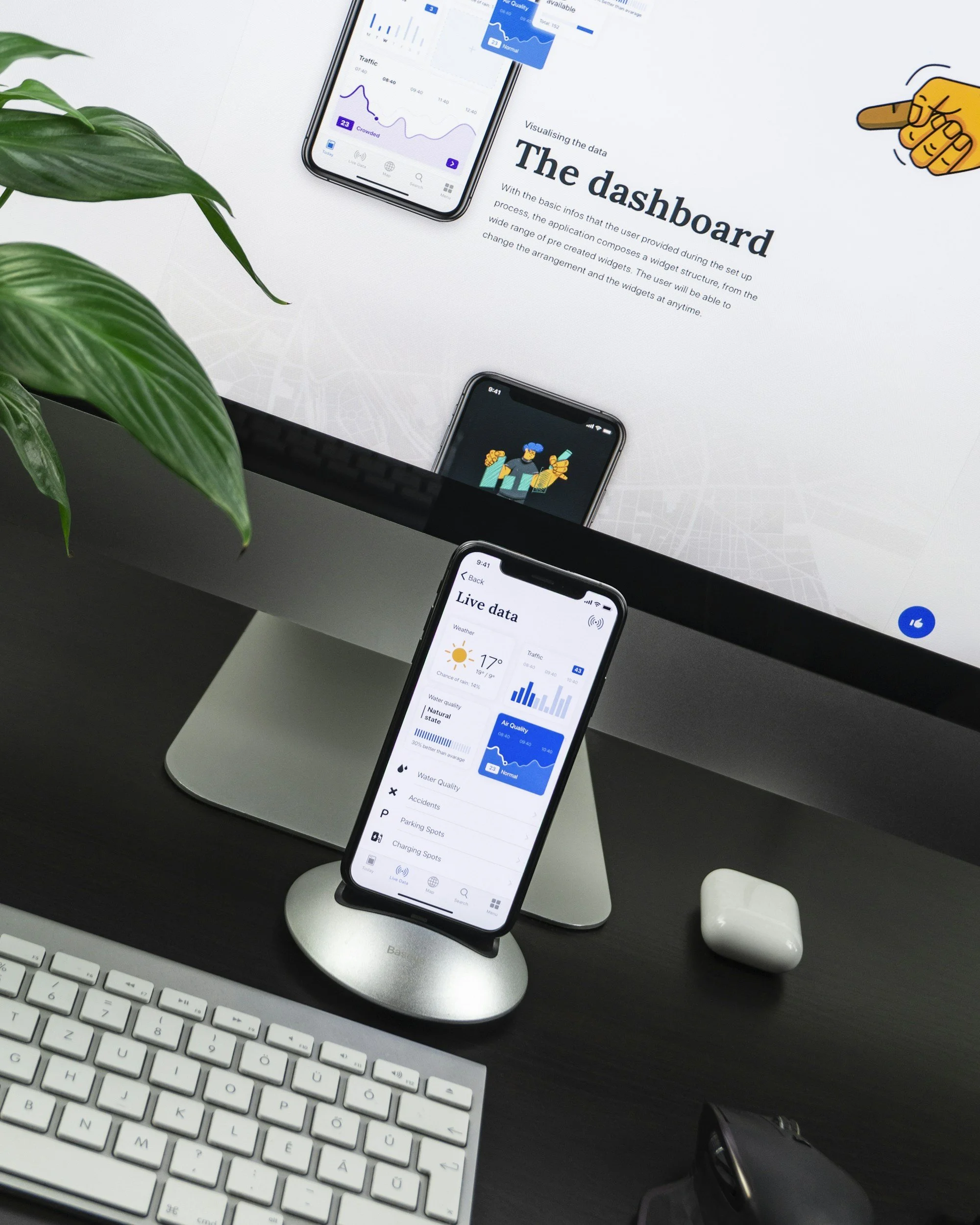
Technology can support all of this, but only if it’s built on a foundation of genuine human connection. A dashboard won’t solve a leaking roof. An email update won’t replace the need for someone on site who knows the community. If we keep centralising services and removing the human element, we possibly risk creating more distance at a time when trust is already fragile.
And finally, are we equipping our own teams to help residents understand what they’re paying for? Service charges are often misunderstood, but are we doing enough to explain them? Sales teams are selling a lifestyle, but are they able to articulate the long-term value of good management? Education shouldn’t be an afterthought; it’s part of the service. With rising service charges, the industry must take ownership, review their ways of working to drive their own efficiencies to ensure service charges are always fair, reasonable and affordable. Trust from the Government must also be earned and now is a key moment for collaboration between the sector and those seeking policy to collectively deliver better, more transparent living outcomes.
Ultimately, the roundtable made one thing clear: we need to stop thinking of residential asset management as a back-end function. It's the front line of the resident experience. If want to deliver lasting value for investors, for developers, and for communities, that experience needs to be more than an afterthought.