

Why Biodiversity Net Gain Is More Than Just a Legal Requirement
Daniel Babalola discusses BNG, and how this animated film from 1941 predicted modern urban sustainability…
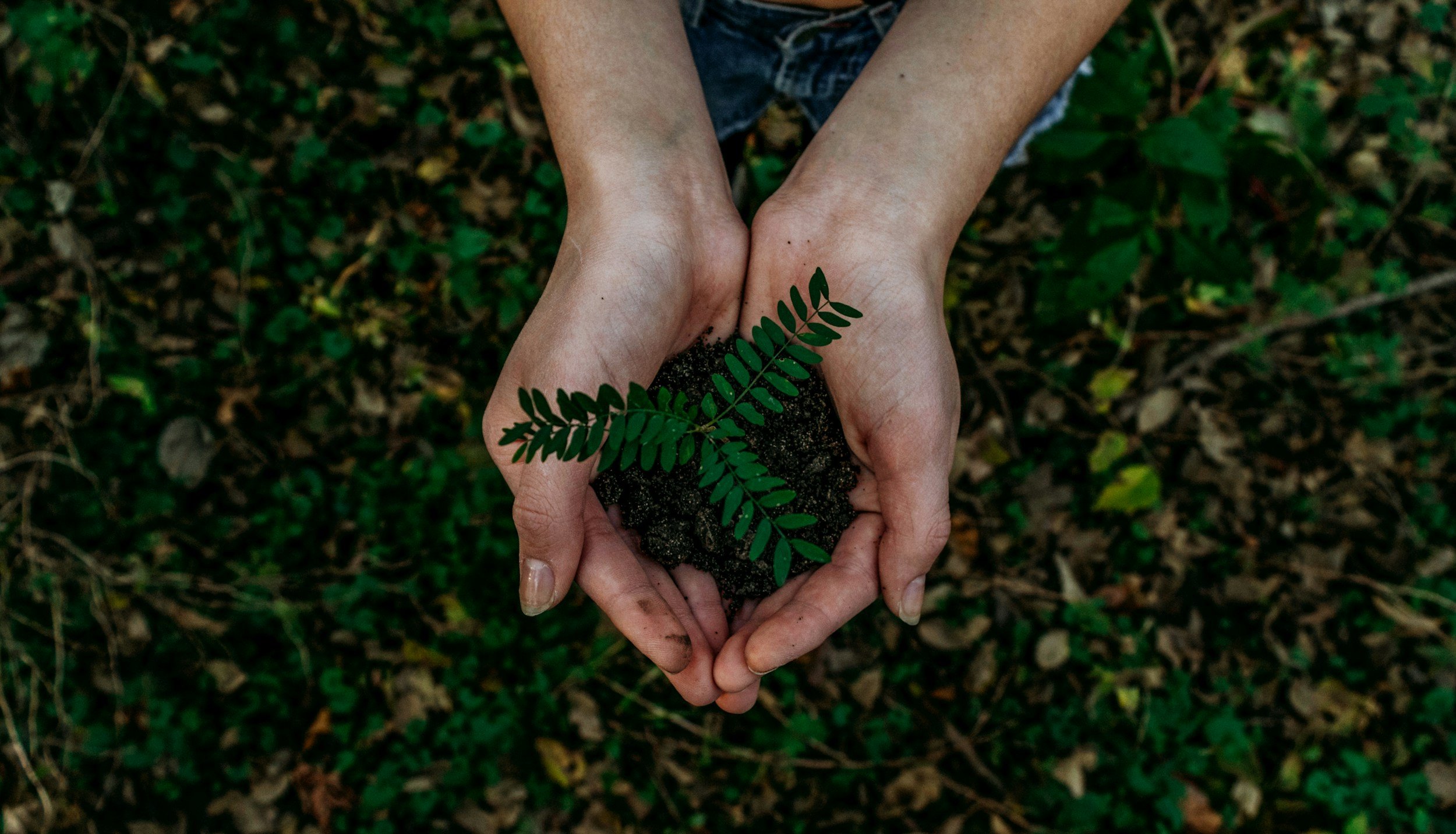
On 12th February 2024, England introduced a 10% Biodiversity Net Gain (BNG) requirement for major developments, with small sites following in April. The mandate was established in Schedule 14 of the Environment Act 2021 and is now integrated into the planning system under Schedule 7A of the Town and Country Planning Act 1990.
Why does it matter?
The legislation aims to ensure that habitats are not simply protected but preserved and left in a better state than it was found. This represents a significant shift from traditional planning approaches that often viewed environmental impact as something to be minimised rather than reversed.
BNG challenges the developer mindset to enhance natural value as a fundamental part of the development process. It moves ecological considerations from the periphery to the core of design, planning, construction and beyond into occupation.
What exactly is BNG?
According to the government, it is “an approach to development that makes sure that habitats for wildlife are left in a measurably better state than they were before the development”. This usually involves the creation or enhancement of a habitat via landscaping and green infrastructure. In practical terms, this means developers are now required to go beyond simply protecting existing habitats. Instead, they must actively improve them. This measurable improvement can take several forms, but most commonly includes the creation, restoration, or enhancement of habitats through landscaping, sustainable planting, wetland development, green roofs, wildlife corridors, and other forms of green infrastructure.
At SAY, we work on many Mixed-Use schemes. As operational and strategic experts, we help our clients find the best balance between design and long-term functionality. A big part of this is ensuring all operational considerations are planned from the outset rather than as an afterthought.
My first understanding of BNG, interestingly, came from a 1941 animated film, Hoppity Goes to Town. It was recommended during my real estate master's module on Construction and Planning, and it follows Hoppity and his insect friends as their habitat in New York is destroyed by new development. In the end (spoiler alert), they find a new home on the lush rooftop garden of the new development. An early take on urban biodiversity! Though not a perfect solution, it highlighted the optimistic approach to integrating nature into developments.
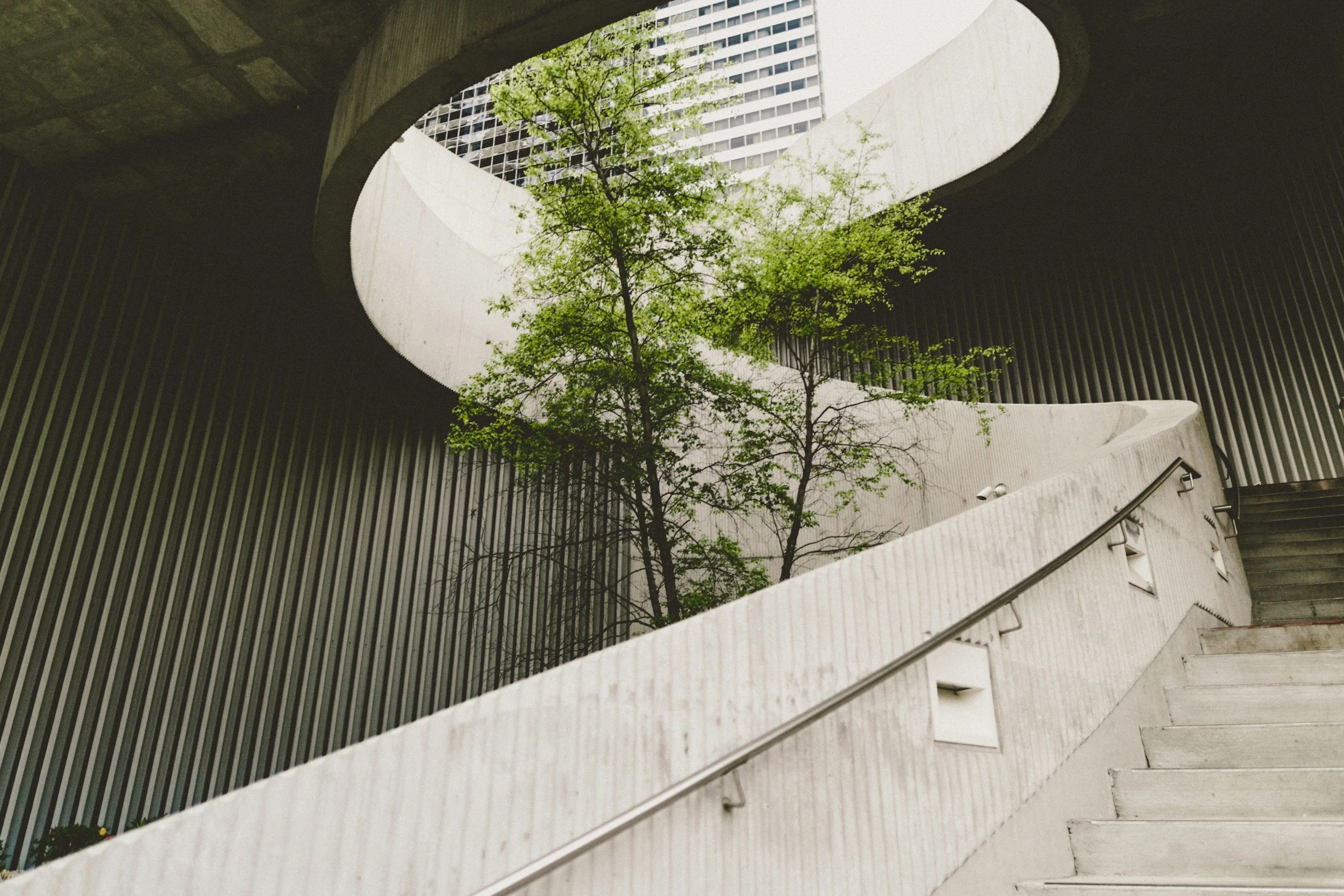
How much do developments, especially in long-urbanised areas, really impact biodiversity?
Following on from that, in my Real Estate Master's thesis, I researched the balance between financial viability and sustainability in mixed-use artificial islands and land reclamation projects. I analysed both successful and unsuccessful developments to understand what made the difference.
A 2018 publication, Biodiversity Offsets, compiled the work of over 30 experts on this exact question within the European context.
One key takeaway was that biodiversity loss isn’t just about large-scale destruction. Instead, it’s often the result of many small, scattered developments. Akin to a ‘death by a thousand cuts.’ The cumulative effect of these projects, even if individually insignificant, adds up over time.
A mixed-use development that I believe has done a great job of balancing biodiversity with urban living is Marmalade Lane in Cambridge. What’s impressive is that this 42-home co-housing scheme came before the current BNG legislation. It implemented several measures to protect wildlife habitats, by incorporating bird boxes, a bird feeding area and pond and shelters for rescued hedgehogs.
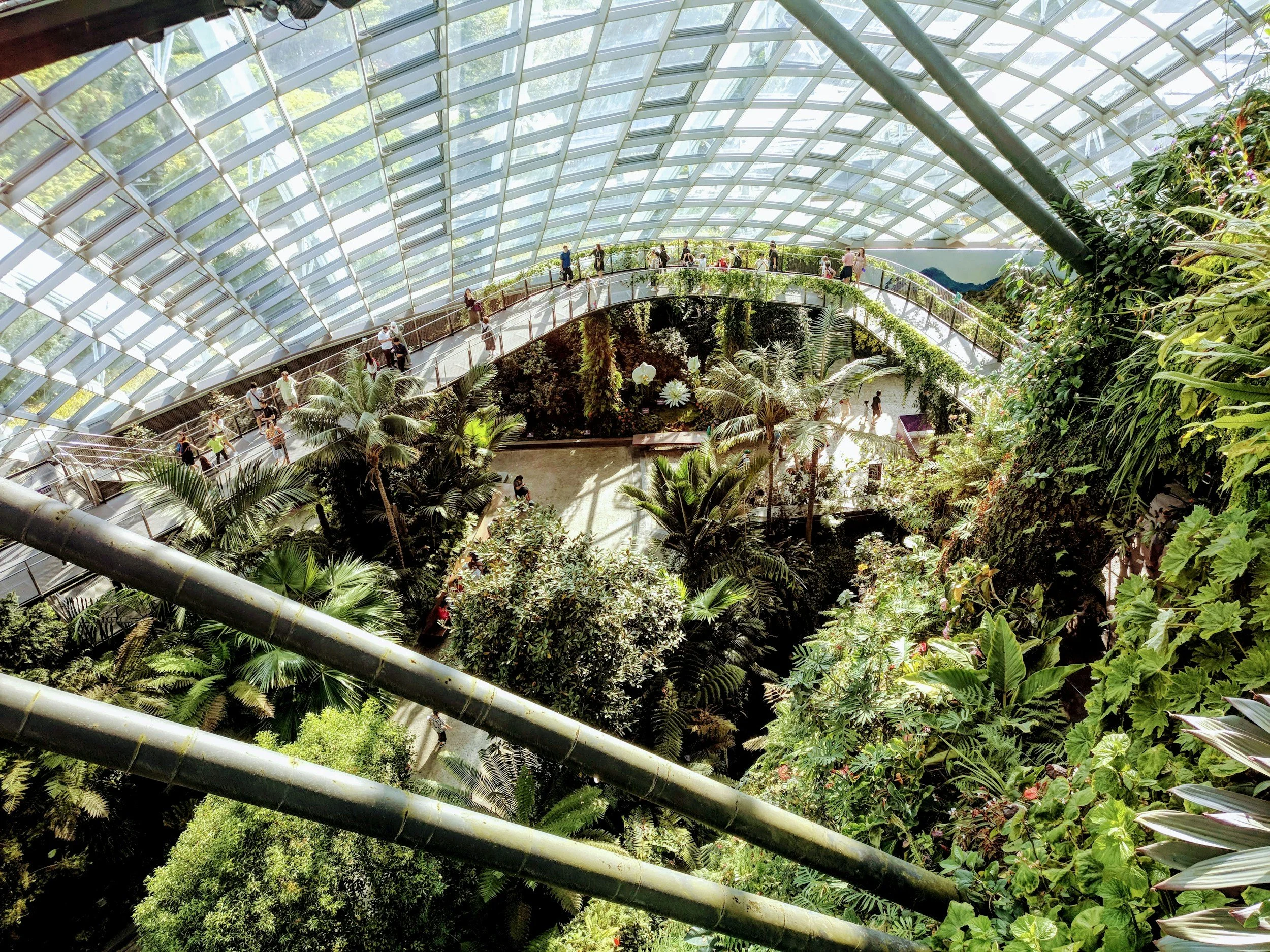
The Application
Balancing development with environmental responsibility is challenging. The key now is to ensure BNG is more than just a tick-box exercise; it must genuinely enhance spaces for both people and nature while also enabling a development to achieve its optimal operational performance.
When applied thoughtfully, BNG has the potential to enrich urban spaces by creating developments that are not only more resilient to climate pressures but also more attractive, healthier, and more valuable for those who live and work in them. It’s about weaving biodiversity into the fabric of places, ensuring that green infrastructure serves both ecological function and human enjoyment.
The real success of BNG will lie in its integration, not as an add-on but as a fundamental part of how we shape the built environment. If done well, it can become a powerful tool for building better places where sustainability and functionality are not in opposition but in balance.
Partner with SAY to turn Biodiversity Net Gain into lasting value.
From strategic planning to operational delivery, we help you embed environmental responsibility into your development, without compromising performance, design, or viability.
Get in touch to future-proof your project and create spaces that work for both people and nature.
Get in touch to futue-proof your project and create spaces tht work for both ople and nature.