

Commonhold: could this be a better system for homeowners?
by Louise Bell, Director of Mixed-Use Consultancy

My initial response to the government’s proposals to reinvigorate commonhold was scepticism. This homeownership model has been in our legal system since 2002 and yet to date, it has been adopted by fewer than 20 developments. This statistic alone suggests that is not fit for purpose nor is it a workable model for developers or their residents. However, commonhold (or a variation of) works in other countries such as Australia and the USA – so, why can’t it work in the UK?
The commonhold journey so far:
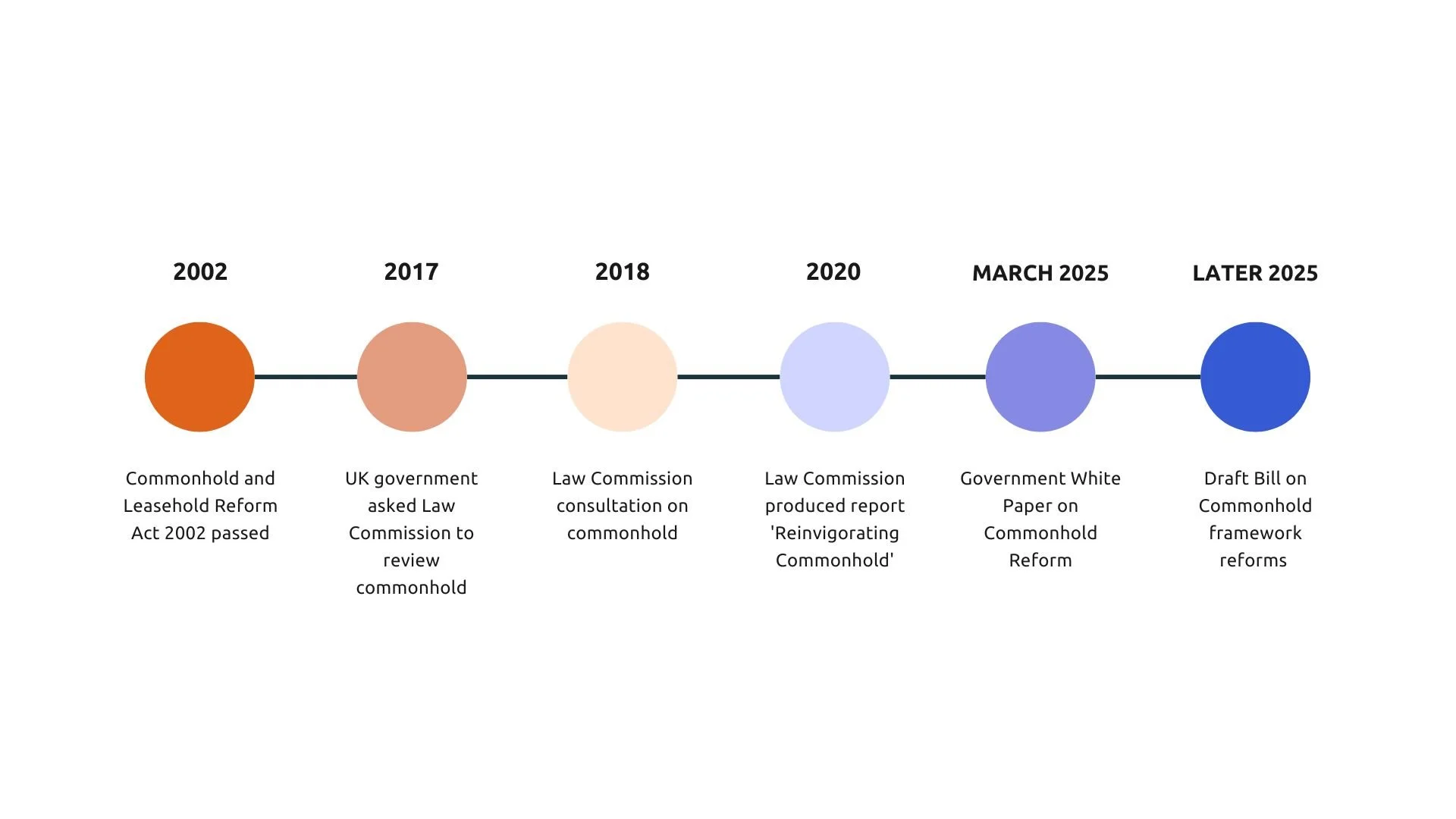
The government is committed to banning the sale of new flats on a leasehold basis to ensure that commonhold becomes the standard tenure. The strength of this assertion brings up many questions - could this be a better system for homeowners? What are the benefits to residents over the traditional leasehold model?
Under commonhold, homeowners own their properties outright, with shared responsibility for communal areas through a ‘commonhold association’ - a company that they are all members of and jointly control. There is no landlord and there aren’t any leases. Instead, there will be one Commonhold Community Statement (CCS) which sets out rules for all homeowners. Some of the terms of the CCS will be prescribed by law; others can be set by homeowners.
The Commonhold White Paper [1]sets out a number of key benefits for homeowners:
1. Ownership lasts forever – you own your flat freehold rather than a lease which will expire, or you have to pay to extend.
2. High degree of control over your home – residents manage their building through a democratic process. All owners can vote on how costs are spent which should reduce disputes over unexpectantly high bills.
3. Simple decision making – homeowners are part of a community and have an equal vote.
4. Flexibility – owners can vary certain CCS rules with anything over 50% report (albeit more serious decisions require a higher percentage of agreement).
5. Mandatory reserve funds – reserve funds are mandatory for condominium developments in the USA and help reduce large spikes in expenditure.
We cannot forget about the developer in all this, especially given the urgent need for new homes to be built in the UK. Can this model work in our mixed-use estates?
Perhaps they can. The proposed reforms include greater flexibility around ‘development rights’. The proposed reforms will allow developers to set out how they want commonhold to work during the construction and sales period, as well as set up a management framework for the long-term management of the building. The legislation will also extend to accommodate shared ownership and home purchase plan leases.
The government is also proposing to introduce ‘sections’ to include a range of uses which can be managed separately where appropriate. These ‘sections’ can be determined by developers and allow commercial property to operate within commonhold.
There is a long way to go in bringing in and finessing these reforms, but commonhold is on its way and we need to be ready for the changes it will bring. With the right reforms commonhold can work.
[1] Commonhold White Paper: The proposed new commonhold model for homeownership in England and Wales - GOV.UK